The Complete Guide to Choosing, Sizing, and Caring for a Duvet Cover
Everything the label, the sizing chart, and the wash tag don't tell you — laid out in one place.
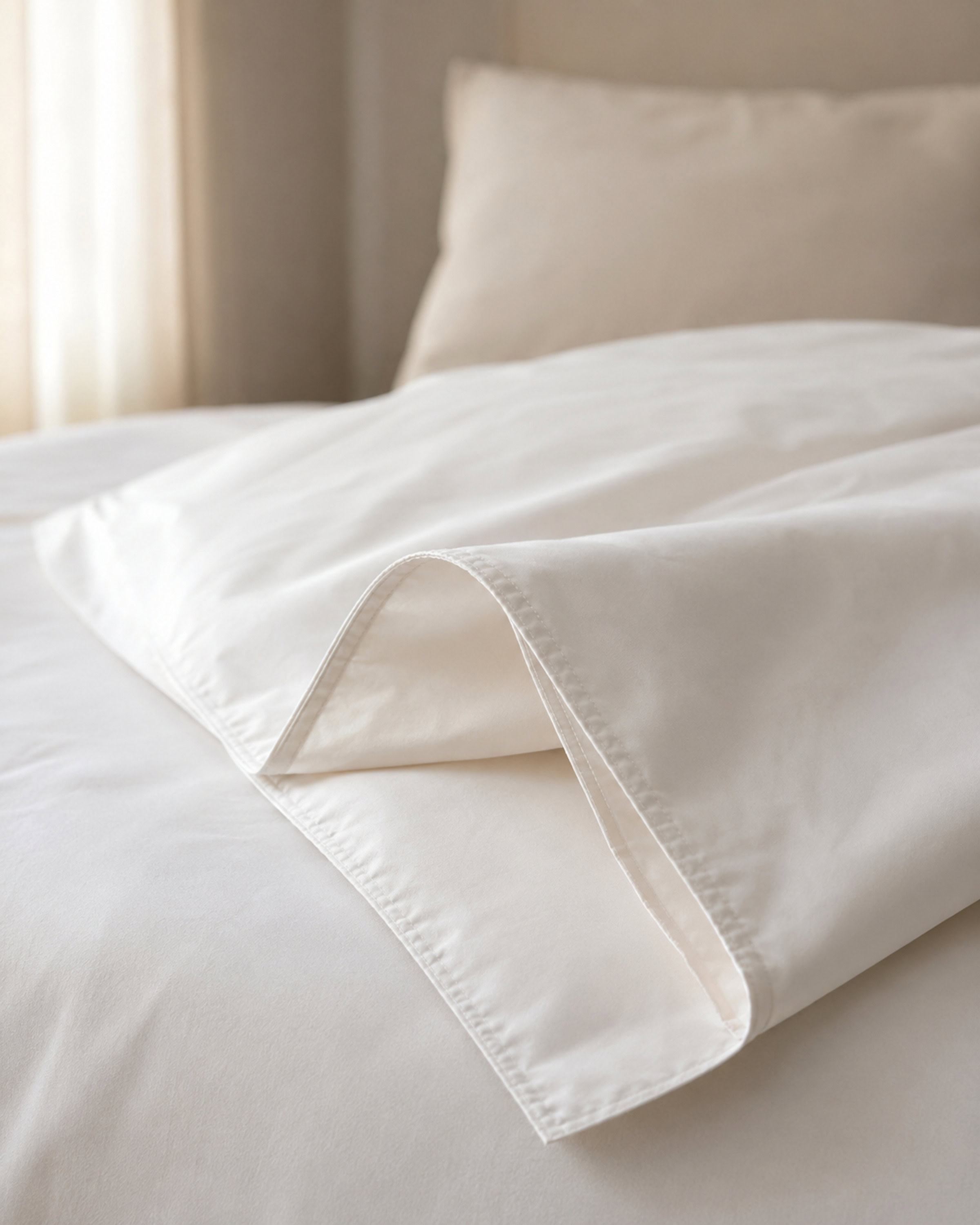
Anyone who has ever wrestled a duvet insert into its cover at midnight knows that this simple piece of bedding hides more complexity than it lets on. A duvet cover has to solve several problems at once: protect an expensive insert, define the look of a bedroom, and survive a wash cycle every week or two without falling apart. This guide walks through what a duvet cover actually is, how to size and choose one correctly, and how to keep it working well for years.
What Is a Duvet Cover
A duvet cover is a removable fabric envelope that slips over a duvet insert — the fluffy, quilted layer that provides warmth. Instead of washing a bulky insert every time it needs cleaning, you wash the cover, which is far lighter and easier to launder. The cover typically closes along one edge with buttons, a zipper, or ties, and often includes small internal loops or ties at the corners that anchor the insert in place.
Duvet Cover vs Duvet vs Comforter
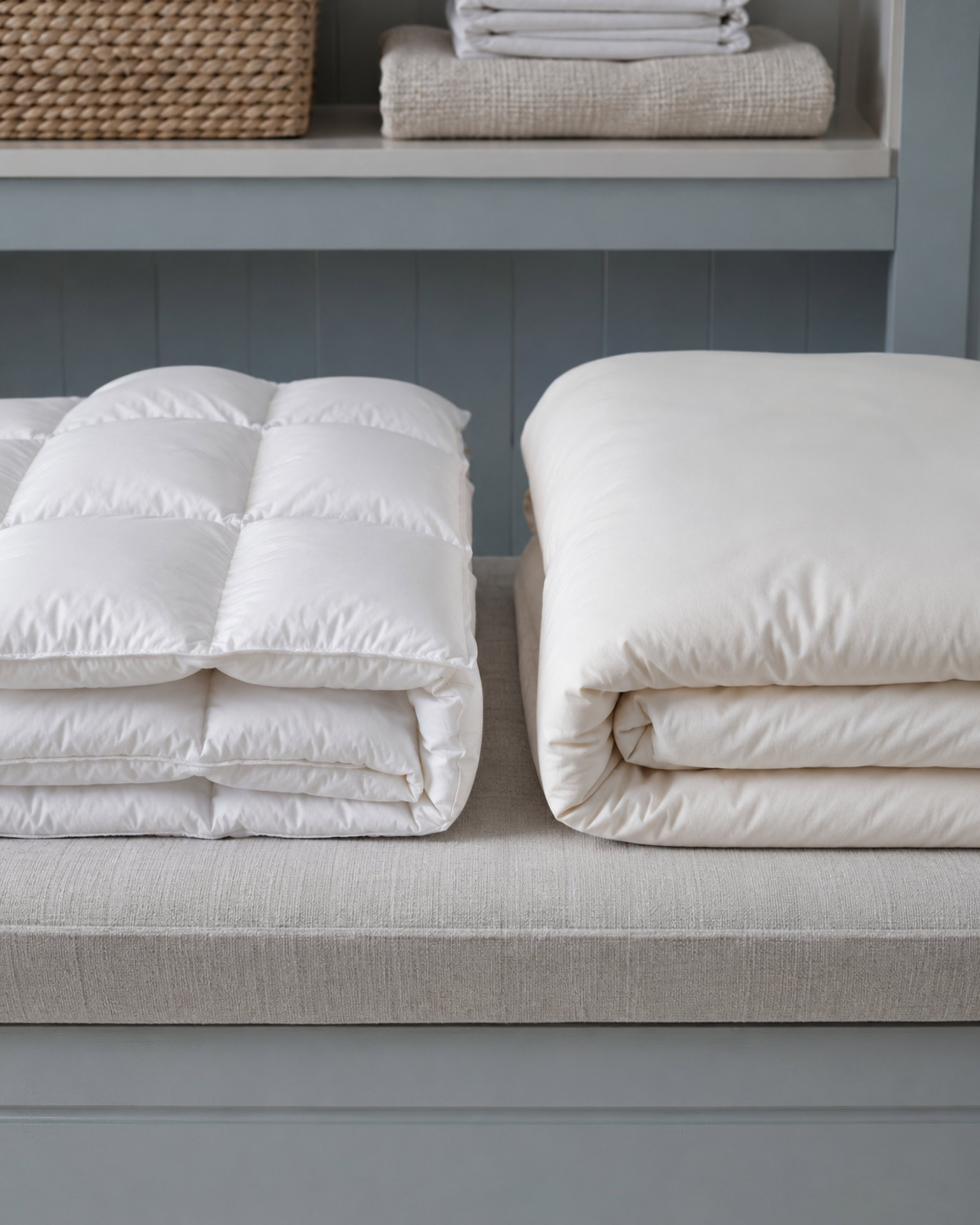
The duvet (or duvet insert) is the actual warm filling — down, feathers, or a synthetic alternative — stitched inside a plain fabric shell. The duvet cover is the decorative, washable layer that goes over it. A comforter, by contrast, is usually a single all-in-one piece: it's already quilted and finished, meant to be used without a separate cover, though many people put comforters inside duvet covers anyway for easier cleaning and a different aesthetic.
Duvet Cover vs Bedspread vs Flat Sheet
A bedspread is a single decorative layer that drapes over the whole bed and isn't designed to hold an insert. A flat sheet is a thin, unstructured sheet with no closure and no pocket — it can't function as a duvet cover because it has nothing to keep the insert contained.
| Term | What It Is | Needs a Separate Cover? |
|---|---|---|
| Duvet Cover | Removable, washable outer shell | — (it is the cover) |
| Duvet / Duvet Insert | Warm filling (down, feather, synthetic) | Yes |
| Comforter | All-in-one quilted layer, already finished | No (optional) |
| Bedspread | Single decorative top layer for the whole bed | No |
| Flat Sheet | Thin, unstructured sheet, no closure | No |
Duvet Cover Sizes Guide
Getting the size right matters more than most people expect. A cover that's too tight will bunch the insert into the middle; one that's too loose will let the insert slide and pool at one end.
Twin, Full, Queen, King, California King Sizes
| Size | Approximate Dimensions (inches) |
|---|---|
| Twin | 68 × 90 |
| Full / Double | 79 × 90 |
| Queen | 90 × 90 |
| King | 104 × 90 |
| California King | 104 × 98 |
These numbers vary somewhat by manufacturer, so checking the exact dimensions on the product listing is worth the extra thirty seconds.
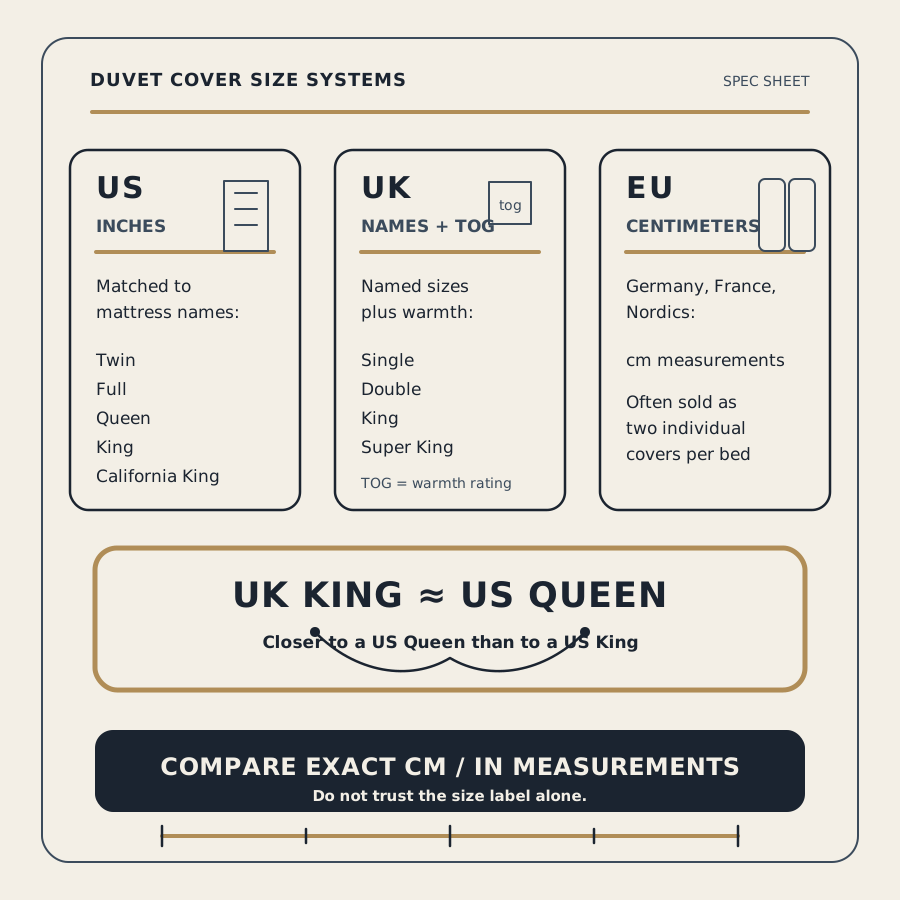
US vs EU vs UK Sizing Standards
| Region | Sizing System | Note |
|---|---|---|
| US | Inches, matched to mattress sizes | Twin / Full / Queen / King / Cal King |
| UK | Named sizes + tog rating | Single / Double / King / Super King — a UK King is closer to a US Queen |
| EU (Germany, France, Nordics) | Centimeters, often sold as two covers per bed | e.g. two 140×200 cm covers instead of one large one |
If you're ordering from an overseas retailer, always cross-check the centimeter or inch measurements rather than relying on the size label alone.
How to Choose the Right Size for Your Duvet Insert
The cover should match the insert, not the mattress. Measure the insert's actual width and length before ordering, since inserts are sometimes sold slightly oversized on purpose to allow for loft. As a rule, a cover within one to two inches of the insert's dimensions on each side gives enough room for the fill to breathe without leaving so much slack that it slides inside the cover. If the insert and cover sizes come from different regions (say, a US insert and a UK cover), convert both to the same unit before comparing — a size label alone is not a reliable match.
Duvet Cover Materials
Material choice affects how the cover feels, how it breathes, and how long it lasts.
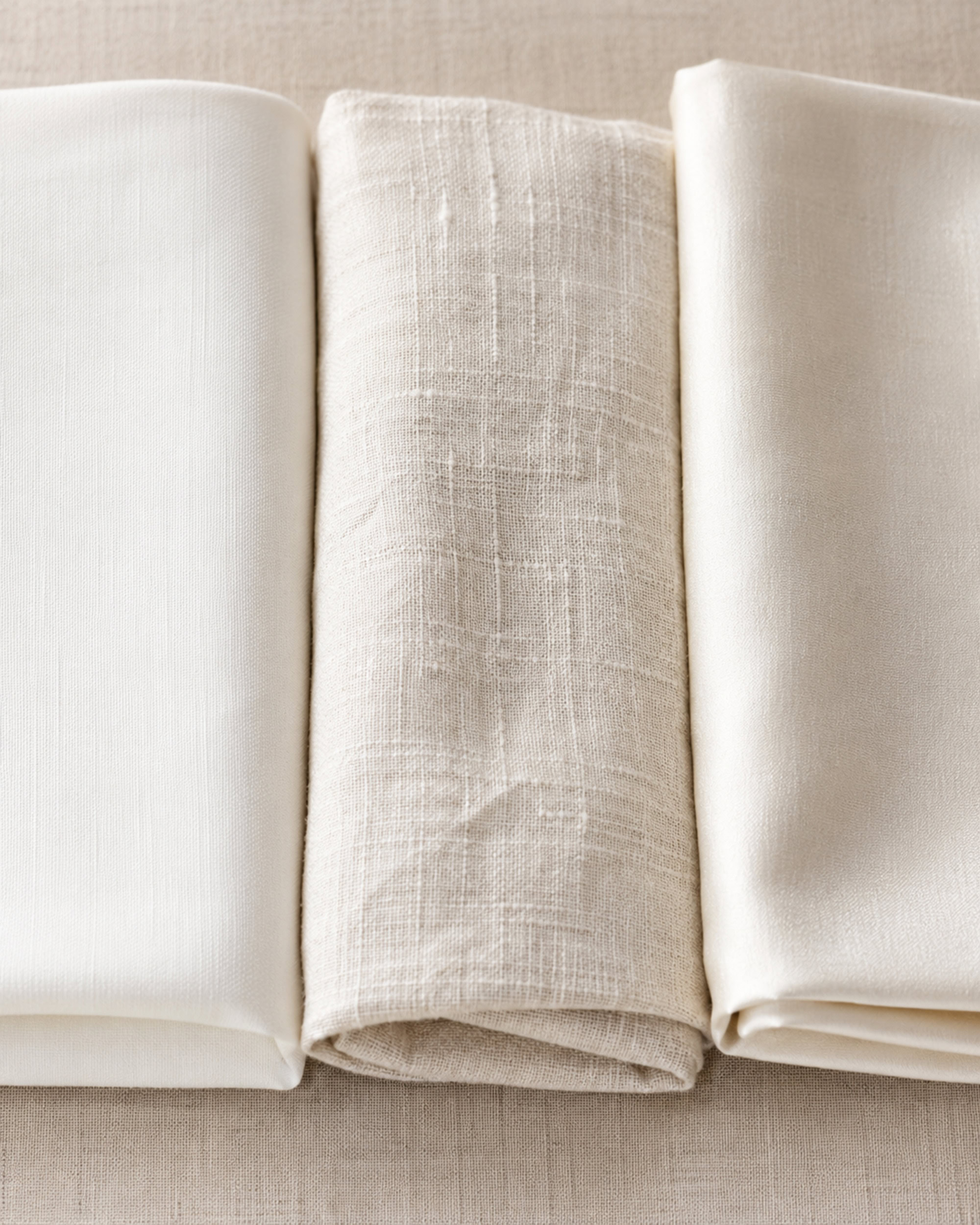
Cotton, Linen, Percale, Sateen, Microfiber — Differences
| Material | Feel | Breathability | Durability |
|---|---|---|---|
| Percale (cotton) | Crisp, cool | High | High |
| Sateen (cotton) | Smooth, subtle sheen | Medium | Medium |
| Linen | Textured, relaxed | High | High |
| Microfiber | Smooth, synthetic | Low | Low–Medium |
Percale and sateen are both cotton weaves rather than different fibers: percale uses a simple, tight over-under weave that produces a matte, crisp surface, while sateen uses a weave with more thread floats on the surface, producing a smoother, slightly glossy feel. Linen comes from flax fibers and is naturally more breathable and moisture-wicking than cotton, softening with every wash. Microfiber is a synthetic fabric, typically polyester, prized for being wrinkle-resistant and affordable rather than for breathability.
Best Material for Hot Sleepers
For hot sleepers, percale cotton and linen are the two strongest choices, since both prioritize airflow over softness or sheen. Sateen and microfiber trap more heat against the body and are better suited to people who run cold or prioritize a smoother feel over temperature regulation.
Most Durable Materials for Frequent Washing
Tightly woven percale and linen tend to outlast sateen and microfiber under frequent washing. Sateen's longer thread floats are more prone to snagging and pilling over time, and microfiber can lose its softness and develop static after repeated wash cycles. Linen in particular becomes softer and more resilient with age rather than wearing out, which makes it a strong choice for covers that get washed often.
How to Put On a Duvet Cover
The single biggest complaint about duvet covers — the insert bunching into a lump inside — comes down almost entirely to technique, not product quality.
The Burrito Method
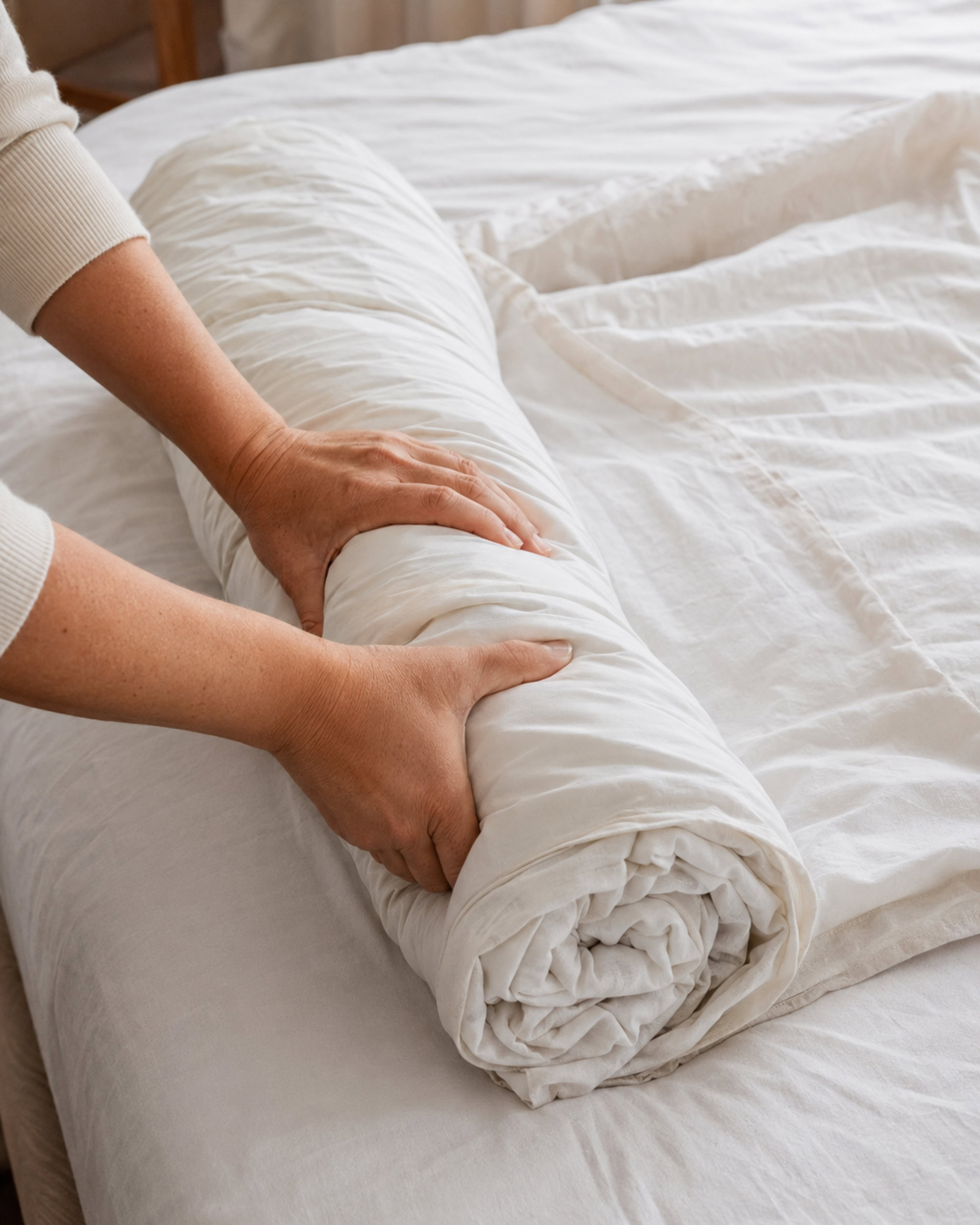
- Turn the duvet cover inside out and lay it flat on the bed, closure end near the foot.
- Lay the duvet insert flat on top of the inside-out cover, aligning the corners.
- Starting from the closed end, roll the cover and insert together like a burrito.
- Once fully rolled, reach into the open end and pull the cover right-side out over the rolled bundle — the insert ends up encased inside.
- Unroll and shake the whole thing out flat, then fasten the closure.
How to Keep the Duvet from Bunching (Corner Ties Explained)
Most duvet covers include small fabric loops or ties sewn into each interior corner. Tying each corner of the insert to its matching loop inside the cover is what keeps the insert evenly distributed instead of sliding or clumping into one section after a few nights of movement. Covers without built-in ties can be fitted with separate duvet clips — small clamps that grip the insert and cover together at each corner — or given a firm shake and re-adjustment every few days as a lower-effort alternative.
How to Wash and Care for a Duvet Cover
A duvet cover typically gets washed far more often than the insert underneath it, since it's in direct contact with skin and absorbs oils, sweat, and dust.
Recommended Washing Frequency
Washing every one to two weeks is a reasonable baseline for most households, similar to sheets and pillowcases. This can shift depending on allergies, pets that sleep on the bed, or how heavily someone sweats at night — any of these push the frequency toward the shorter end of that range.
Preventing Shrinkage and Fabric Damage
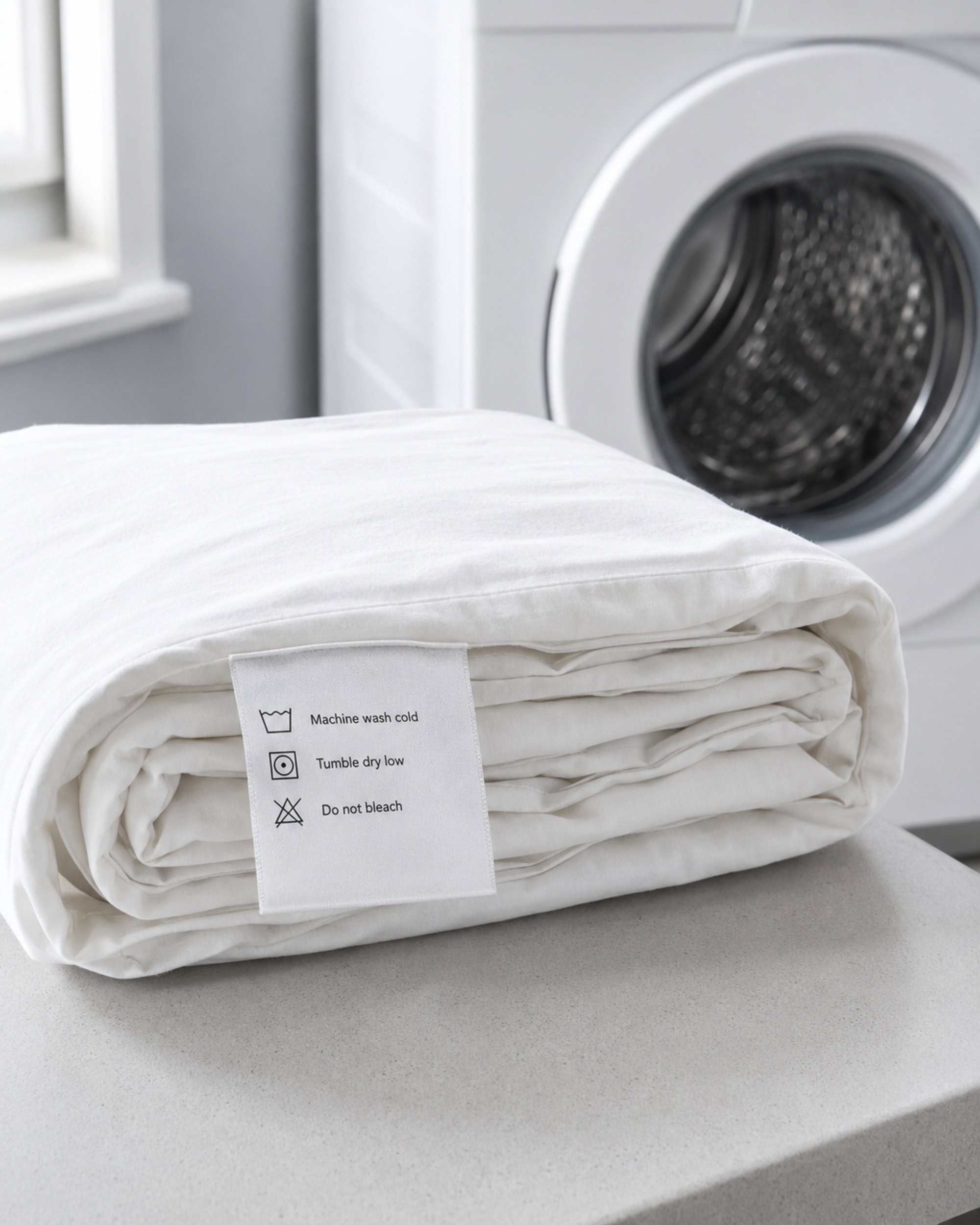
- Wash in cool or warm water rather than hot, especially for cotton and linen, which are more prone to shrinking in high heat.
- Avoid over-drying; removing the cover from the dryer while still slightly damp and letting it air-dry the rest of the way reduces stress on the fibers.
- Close buttons or zippers before washing to prevent snagging on other items in the load.
- Skip fabric softener on percale and linen, since it can reduce the crispness and breathability that make those fabrics appealing in the first place.
Common Duvet Cover Problems and Fixes
| Problem | Likely Cause | Fix |
|---|---|---|
| Cover keeps sliding | Missing or unused internal corner ties | Use existing ties, or add duvet clips |
| Zipper failure | Warped track from high-heat drying | Wash/dry on lower heat; replace closure if severe |
| Shrinking after wash | Hot water + high-heat drying | Wash cool/warm, air-dry or low-heat tumble |
Duvet Cover Keeps Sliding
This is almost always a missing-tie problem. Use the internal corner ties if the cover has them; if it doesn't, duvet clips are a reliable low-cost fix that grips insert and cover together at each corner.
Zipper or Button Failure
Zippers on lower-quality covers can fail after repeated washing, especially if the cover is dried on high heat, which can warp the fabric around the zipper track. Button closures are generally more repairable, since a lost button can simply be resewn, while a broken zipper often means replacing the whole closure.
Shrinking After Wash
This is usually caused by hot water combined with high-heat drying. Once a natural-fiber cover shrinks noticeably, there's no reliable way to reverse it, which is why prevention through cooler washing and gentler drying matters more than any after-the-fact fix.
Choosing the Best Duvet Cover
The right duvet cover depends less on a single "best" option and more on matching three variables — thread count, season, and brand reliability — to your specific situation.
By Thread Count and Weave
Higher thread count is often treated as the main quality signal, but beyond roughly 300–400, it stops reliably improving feel, and very high numbers on cheap fabric can sometimes reflect misleading counting methods rather than genuine quality. Weave type matters more: choose percale for a crisp, cool result, or sateen if a smoother, slightly glossy surface is the priority. For someone who runs hot at night, a mid-range thread count percale weave will outperform a high thread count sateen weave, since weave structure affects airflow more than raw thread density does.
By Season (Winter vs Summer)
A lightweight percale or linen cover paired with a lighter insert suits summer, prioritizing airflow. A heavier cotton weave paired with a warmer insert suits winter, prioritizing heat retention. Households in climates with a large seasonal temperature swing often keep two covers on hand and switch between them rather than trying to find one fabric that works year-round.
By Brand Reputation
Brand matters less for the fabric itself — since material and weave largely determine feel and durability regardless of label — and more for consistency of sizing, stitching quality, and how a company handles returns or defects. Checking independent reviews rather than a retailer's own marketing copy is the more reliable way to evaluate this, since sizing accuracy and stitching consistency are exactly the things a product description won't disclose.
Are Duvet Covers Worth It
Pros and Cons vs Traditional Bedspreads
Pros
- Only the lightweight cover needs washing regularly, not a bulky insert or a whole bedspread, saving time and reducing wear on the more expensive component.
- The look of the bed can be changed by swapping the cover alone, without replacing the insert.
- Corner ties keep the insert secure in a way a loose-draped bedspread cannot replicate.
Cons
- Putting the cover on takes an extra step compared to a bedspread, which simply drapes over the bed with no assembly.
- A cover without ties can bunch or slide, a failure mode bedspreads don't have since they aren't enclosing anything.
- Two components (cover and insert) means two things that can wear out or need replacing instead of one.
On balance, the cover-and-insert system trades a small amount of setup effort for significantly easier long-term maintenance and more flexibility in changing the bedroom's appearance.
Sustainability and Eco-Friendly Options
Organic cotton and responsibly sourced linen covers are increasingly available and reduce the environmental footprint of pesticide use and water consumption compared to conventional cotton farming. Because a cover is replaced far more often than a mattress or insert, choosing a durable, well-made one — and caring for it properly with cooler washing and gentler drying — has a real cumulative effect on how much textile waste a household generates over time.
Frequently Asked Questions
How often should I wash my duvet cover?
Roughly every one to two weeks, similar to bed sheets, though more often if you have allergies, pets that sleep on the bed, or sweat heavily at night.
What size duvet cover do I need for a queen bed?
A standard US queen duvet cover measures approximately 90 × 90 inches, sized to fit a queen duvet insert with a bit of room to spare — always check the insert's actual dimensions rather than assuming it matches the mattress size.
Why does my duvet keep bunching inside the cover?
It's almost always because the internal corner ties aren't being used, or the cover doesn't have any. Tying the insert's corners to the cover's corner loops keeps it evenly distributed.
Is linen or cotton better for a duvet cover?
Both breathe well, but linen is generally more breathable and moisture-wicking, while cotton percale offers a crisper, cooler feel. Linen softens more with washing; cotton tends to hold its texture longer.
Can I put a comforter inside a duvet cover?
Yes — many people do this specifically so they can wash the lighter cover instead of the bulkier comforter, and to change the bedroom's look without buying a new comforter.